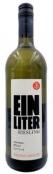
German wine labels are getting more light-hearted. They used sport bucolic images of half-timber villages and spooky castles. Today's young winemakers are less likely to be descended from wine dynasties or attached to such... Read More
Dry and dense, from 50-60 year-old late-harvested vines, Altenberg AP-7 shows slate and ripe malic fruit with rounded acids. At 11.5% ABV, you can enjoy this spätlese with roast chicken, pork, boar, or game birds.... Read More
If you're buying something special for someone special who loves Riesling, get old-vine (alte-reben) Gisela. 2023 is floral, seductive, aromatic, lithe, yet loaded with sour candy. You don't want to obscure the lively... Read More
Perhaps one of the most difficult to pronounce, iron-rich Krettnacher Euchariusberg (oy-ka-ree-yoos-bear-g) delivers some of the most zingy wines. Kugel Peter is delicious and easy-drinking with citrus, stones, minerals, salts,... Read More
We don't see many wines from Germany's mid-region centered around Würzburg, near the Bavarian border. Franken is famous for its Silvaner and is one of two regions allowed to use the flat Bocksbeutel (goat scrotum)... Read More
A bit more common in Germany than here, Blanc de Noir is a unique take on Pinot Noir. Hammelmannn makes his wine in a corner of Pfalz, where the distinct soil is suited for the region's most important crops, Grumbeer und Zwiebel... Read More
Fass #8 is a luxurious Riesling from the village of Ayl (eye-l), about an hour's drive east of Luxembourg. Although the region is often lumped together as Mosel-Saar-Ruwer, we prefer using the individual river designation... Read More
This crossing of Traminer and Österreichisch-Weiß ('Austrian White') came to the Germanic empire from central Europe around the 1650s and is now grown primarily in Franconia and Alsace. Possibly named after... Read More